
印媒:科学家在中国发现2400年前的冲水式厕所,印证中国古代生活的高度发达
Scientists find a 2,400-year-old flush toilet in China showing how advanced ancient life was
科学家在中国发现 2400 年前的冲水式厕所,印证古代生活的高度发达
Archaeologists in northwest China have unearthed what is believed to be the country’s only known ancient flush toilet, a discovery that is changing assumptions about early sanitation and daily living. The discovery was made in the Yueyang archaeological site in i'an, which was a significant political hub in the early Han Dynasty and Warring States Period. After being removed from the ruins of the palace, broken ceramic pieces including a curved pipe were rebuilt. Researchers estimate the toilet dates back to roughly 2,400 years ago and was likely designated for aristocratic use. Details of the discovery were revealed by China Daily, attracting wider attention to how complex some home systems may have been in ancient China.
中国西北的考古学家发掘出一件文物,这被认为是中国目前已知的唯一一件古代冲水式厕所。这一发现颠覆了人们对早期卫生设施和日常生活的固有认知。该文物出土于西安栎阳考古遗址,这里曾是战国时期至西汉初期的重要政治中心。考古人员从宫殿遗址中清理出包括曲形管道在内的破碎陶制构件,并完成了复原。研究人员推测,这处厕所距今约 2400 年,大概率为贵族专用。《中国日报》披露了此次发现的细节,也让外界开始关注中国古代家居设施曾达到的复杂程度。
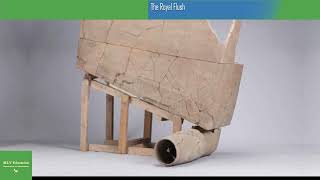
2,400-year-old ancient flush toilet found in China offers rare glimpse into early sanitation
中国发现 2400 年前冲水式古厕所,罕见还原早期卫生发展面貌
The toilet was discovered within the remains of a palace complex in ancient Yueyang city. Archaeologists believe it may have been used by Qin iaogong, his father Qin iangong, or possibly Liu Bang, the founder of the Han Dynasty. The palace is thought to have served administrative functions, making the presence of an indoor toilet especially striking
这处厕所出土于古栎阳城的一处宫殿建筑群遗址内。考古学家推测,它可能为秦孝公、其父秦献公所用,也有可能是汉高祖刘邦的御用设施。该宫殿兼具行政功能,室内冲水厕所的出现,在当时尤为罕见。
Manual flushing relied on servants and water
What survives suggests something simple rather than mechanical.
The bowl sat inside the building. A pipe ran outwards to a pit beyond the walls. Liu Rui, from the Chinese Academy of Social Sciences and part of the excavation team, said water was probably added by servants after each use. No mechanism remains. The upper part of the structure is missing, which leaves a basic question unanswered. Whether the user sat or squatted is not clear. Older carvings from the Western Han period lean towards squatting, but the toilet itself does not settle the matter.
手动冲水需仆人加水操作
留存的遗迹来看,这处古厕所构造简单,并无机械装置。
便池设置在建筑内部,一根管道向外延伸,直通墙外的污水坑。中国社会科学院研究员、此次考古发掘团队成员刘瑞表示,这处厕所每次使用后,大概率由仆人加水完成冲水。如今已无任何冲水机械装置留存,厕所的上部结构也已缺失,留下一个未解的基本问题:使用者当时是采用坐姿还是蹲姿,目前尚无定论。西汉时期的早期雕刻文物显示,当时人们如厕多为蹲姿,但这处古厕所本身的遗迹,并未敲定这一答案。
Evidence challenges Western-centred timelines
For a long time, the story of the flush toilet began in early modern England. John Harington’s design for Queen Elizabeth I held that place almost by default. The Yueyang toilet does not overturn that history outright, but it complicates it. It shows that similar ideas were being worked through much earlier, in a different setting, without the same written trail.
实物证据挑战西方中心的历史时间线
长期以来,冲水厕所的历史都被认为发源于近代早期的英国,约翰·哈林顿为伊丽莎白一世女王设计的冲水厕所,几乎被默认为这一发明的开端。栎阳发现的这处古厕所虽未彻底推番这一历史定论,却让这段历史变得更为复杂。它证明了早在更久远的年代,在完全不同的地域环境中,人们就已经摸索出了类似的冲水如厕思路,只是没有留下相关的文字记载。
Soil analysis may reveal ancient diets
The toilet has become a quiet focus of further study. Soil taken from inside it is being examined for traces of human waste. Researchers hope this might point towards what people ate and how food was processed. So far, the results have been thin. The samples mainly show fertilisers linked to later farming during the Han Dynasty. Even so, the work continues. The object has not finished speaking, even if it does so slowly.
土壤分析或能还原古人饮食结构
这处古厕所如今成为后续研究的重点对象,考古人员正对厕所内部提取的土壤进行检测,寻找人类排泄物的痕迹。研究人员希望通过这些痕迹,推断出当时人们的饮食种类以及食物的加工方式。截至目前,检测成果寥寥,提取的样本中,主要检测出与汉代后期农业耕种相关的肥料残留。即便如此,相关研究仍在继续,这处古厕所仍在向世人诉说着过往,只是这份“诉说”来得缓慢。
以下是印度时报读者的评论:
User
Indians even in 2026 are poo on the streets .
都2026年了,印度人还在街头随地大小便。
Sdr
Jai hadee, Ancient civilizations decline after great progress and start again. China after the toilet and other discoveries declined and used to be very dirty. The same with India which had sewer pi in Harappa for eg. You jai dees belong to a culture that was never civilized. They excelled at k1llings only.
所谓的文明万岁就是个笑话。古文明都是发展到鼎盛就衰落,然后再重新起步。中国就是这样,有了冲水厕所这类发明后也走向衰落,过去也曾脏乱差。印度也一样,比如哈拉帕文明当年就有下水道系统。你们这些喊着万岁的人,骨子里的文化从未开化过,只会打打杀杀。
Veemboor
I wonder how our great emporers and kings did when the urge came.
真想知道,我们伟大的帝王君主们,当年内急的时候是怎么解决的。
User
This is when some religions did not even exst.LOL
那会儿某些宗教都还没诞生呢,哈哈。
tiggvet
I happened to see a Famous water fall in china.. Water goes through PIPE and made to fall.. Made in china.. there might be even 4000 years old Tesla in china
我之前见过中国一处有名的瀑布,水是通过管道引下来的,人造的瀑布,纯中国制造。照这样说,中国说不定还有四千年前的特斯拉呢。
Class
In just 200 years. past generations vanished.. we spend so much to build asset which anyway doesn't matter after death
不过两百年的时间,先辈们的一切就湮没了。我们耗费巨资置办产业,可到头来,人一死,这些东西什么都不是。
声明: 三泰虎 原创译文,此文由三泰虎网编辑,禁止转载,否则追求法律责任!


